Dunellen General Contractor Delivering Reliable Construction Services
Why Finding the Appropriate General Contractor Is Necessary for Your Project
Identifying the right main contractor is a fundamental call that can markedly influence a project's fruition. A suitable contractor secures efficient management and sticking to financial plans. Their competence to navigate challenges and maintain clear messaging is paramount. However, many building principals overlook essential factors in this vetting cycle. Appreciating these particulars can advance to better outcomes and heightened satisfaction. What should one consider when making this important determination?
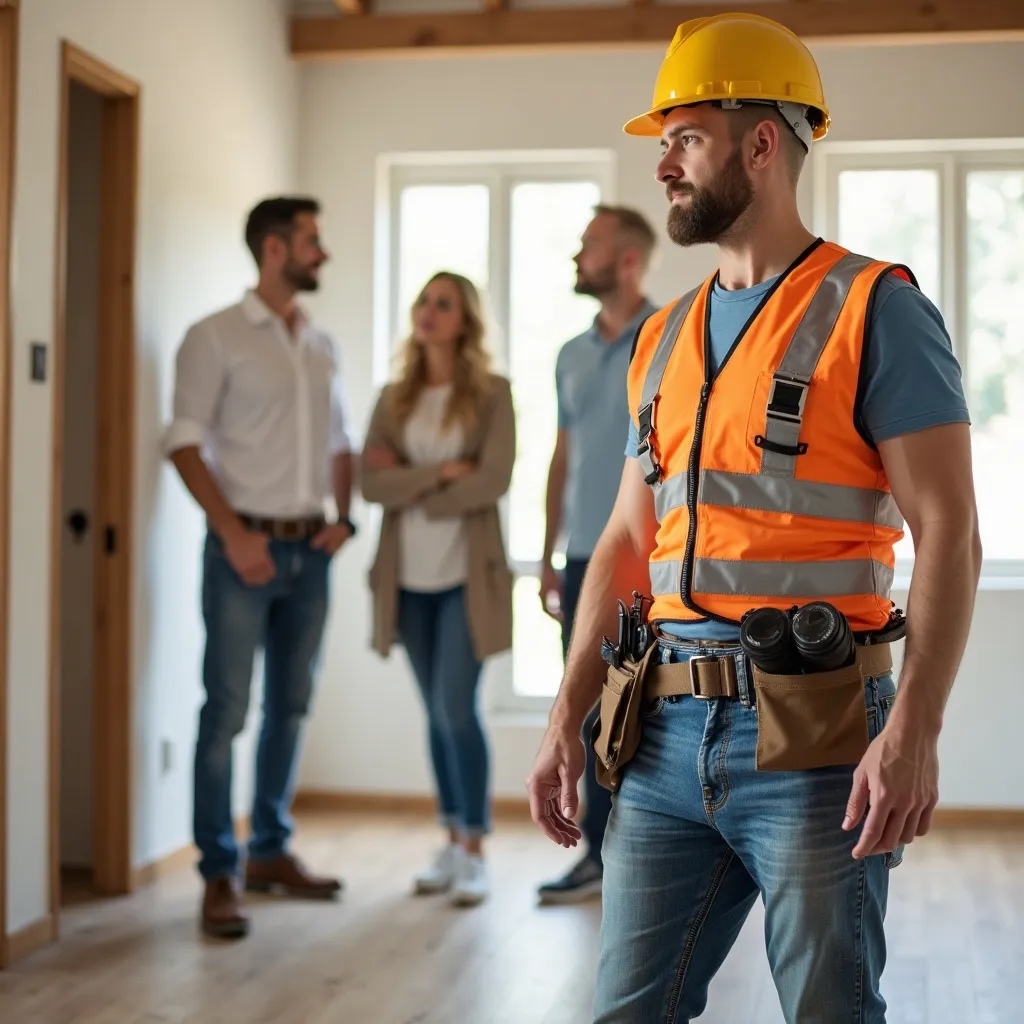
Usual Difficulties in Choosing a General Construction Specialist
When selecting a general contractor, prospective customers often encounter several common difficulties that can impede the decision-making process. One major obstacle is the vast quantity of choices on offer, which can lead to confusion and indecision. Customers may struggle to distinguish among contractors based on credentials, background, and cost, making it challenging to determine who will best satisfy their construction requirements.
Another difficulty is the absence of clarity in contractor bids, where hidden costs may surface subsequently, impacting the project budget. Additionally, clients may encounter problems related to interaction; some contractors may neglect to maintain client communication throughout the procedure, creating dissatisfaction. Finally, clients often grapple with confirming a contractor's references and past work, which can lead to doubt about the level of service quality expected. These challenges require thorough deliberation and research to ensure the correct decision is made.
Importance of a Reliable General Contractor
A reliable general contractor plays a crucial role in ensuring project management efficiency and maintaining quality standards. Their skill helps streamline processes, minimizing delays and costs. Additionally, a trustworthy contractor upholds high standards, resulting in excellent construction work and client satisfaction.
Enhance Task Management Productivity
Effective project management rests on the trustworthiness of a general contractor. A dependable contractor guarantees that timelines are met, resources are allocated properly, and communication operates smoothly among all stakeholders. Their competence in managing subcontractors, suppliers, and laborers has a direct effect on the progress and overall success of the project. A reliable contractor anticipates issues, implements fixes swiftly, and keeps attention on objectives, reducing delays and cost overruns. This efficiency promotes teamwork, facilitating changes and enhancements as needed. Ultimately, the general contractor's trustworthiness boosts both the operational aspects of the project and the confidence among clients and team members, making sure everyone is aligned toward a successful outcome.
Quality Assurance Specifications
Dependable general contractors play a pivotal role in upholding quality control during the entire project. They guarantee that every task complies with established guidelines and industry protocols, which remains essential to the durability and safety of the structure. A competent contractor holds strict oversight over materials and workmanship, conducting regular inspections to find and resolve problems quickly. This proactive approach reduces risks linked to inferior construction, ultimately protecting the investment. Furthermore, a reliable contractor encourages communication among all stakeholders, ensuring clear and fulfilled expectations. By focusing on quality assurance, a skilled general contractor not only improves the end product but also builds trust with clients, laying the groundwork for successful project results.
Assessing a Contractor's Expertise and Standing
When selecting a general builder, understanding their background and reputation is essential, as these factors greatly influence project outcomes. A contractor's expertise typically reflects their capability to handle various kinds of projects, complexities, and difficulties. Reviewing their body of work offers perspective into past work, displaying workmanship and meticulousness.
In addition, reputation serves as a vital role in creating trust. Prospective clients should seek online reviews, testimonials, and references to determine satisfaction levels from previous clients. Connecting with past customers can expose the contractor's reliability, communication skills, and maintaining timelines and budgets.
Moreover, industry affiliations and endorsements can enhance a contractor's credibility, conveying a commitment to superior work and virtuous practices. By rigorously assessing both proficiency and reputation, clients can make informed decisions, decisively setting the stage for a successful construction project.
Essential Characteristics of a Reliable Contractor
A trustworthy contractor regularly exhibits integrity, openness, and strong communication skills. These essential traits form the foundation of a prosperous working relationship. Honesty guarantees the contractor conforms to moral standards, offering truthful evaluations and practical schedules. Transparency involves fully disclosing project details, including expenses and potential challenges, fostering trust between the contractor and the client.
Strong communication skills facilitate the contractor to communicate ideas efficiently, understand client preferences, and address any concerns that arise during the project. Additionally, a reliable contractor showcases flexibility, responding to shifts and unforeseen circumstances with poise and resilience. Close attention to detail is another essential trait; it shows a commitment to excellence and precision in every aspect of the work. All things considered, these traits not only improve project outcomes but also contribute to a positive experience for clients, making the selection of a dependable contractor all the more critical.
Essential Questions When Engaging Your General Contractor?
How can one guarantee they pick the right general contractor for their project? By posing a series of specific questions, potential clients can more effectively evaluate candidates. First, asking about the contractor's experience with comparable work gives insight into their expertise. It's also vital to request for references; communicating with previous clients can reveal the contractor's trustworthiness and quality of work.
Subsequently, reviewing licensing and insurance guarantees that the contractor complies with legal standards and protects the client from potential liabilities. Clients ought to also inquire into timelines and project management strategies to evaluate how the contractor plans to execute the project efficiently.
Budget meetings are important; requesting a detailed quote helps avoid surprise costs later. Finally, grasping the contractor's communication style preferences can lay the groundwork for a productive working relationship. By addressing these important inquiries, clients can choose wisely in selecting their general contractor.
Communication Is Critical With Your Contractor
Effective engagement with a contractor is vital for assignment achievement. Creating clear expectations and offering regular updates can eliminate misunderstandings that often lead to expensive delays. Additionally, encouraging an candid conversation establishes rapport, securing a improved partnership throughout the construction effort.
Defined Standards Drive Excellence
Defining clear expectations is critical for a successful partnership with a general contractor. Effective communication establishes a mutual understanding of project goals, timelines, and budget constraints. When both parties convey their needs and concerns, it lowers the risk of misunderstandings that may hinder progress. A contractor who knows the specific requirements can assign resources wisely and proactively handle potential challenges. Additionally, clear expectations promotes accountability, ensuring the contractor fulfills commitments and that the homeowner feels engaged in the process. By prioritizing open dialogue early on, clients can enhance teamwork and satisfaction, ultimately resulting in a smoother project delivery. Clear expectations not only optimize workflows but also foster trust between the homeowner and the contractor.
Quick Updates Prevent Confusion
Clear expectations establish the foundation for productive teamwork, but ongoing dialogue is just as vital. Prompt updates from a construction manager can prevent confusion that may occur during a job. When contractors regularly provide progress reports, customers remain informed about schedules, cost adjustments, and possible obstacles. This forward-thinking communication serves to align both sides' expectations and reduces the risk of disputes later on. Additionally, when problems emerge, swift notification enables quicker solutions, guaranteeing the project remains on schedule. helpful tips By cultivating a environment of transparent discourse, construction professionals demonstrate their dedication to the job's success, eventually leading to a easier workflow and greater customer contentment. Therefore, timely updates function as a cornerstone for maintaining understanding and confidence throughout the building process.
Open Conversation Creates Trust
As a project progresses, keeping an transparent conversation with the main contractor becomes crucial for building trust and collaboration. Strong communication ensures that all stakeholders have a clear understanding of expectations, timelines, and potential challenges. When builders and customers participate in frequent conversations, it enables for the recognition of issues before they escalate, reducing interruptions. This openness not only creates assurance but also enhances the overall project experience. Furthermore, an direct communication channel encourages feedback, allowing the contractor to make modifications that match the client's vision. In the end, effective dialogue establishes a basis of reciprocal respect, which is vital for the timely completion of any construction project. Confidence built through dialogue leads to improved results for everyone participating.
Frequently Requested Questions
What ways can I use to determine if a Contractor is Licensed?
To ascertain if a contractor is licensed, one should consult local licensing boards or websites, validate their license number, and ensure it's active. Additionally, checking online reviews can deliver clarity regarding their reputation and consistency.
What Insurance Does My Service Provider Need?
A tradesperson is required to maintain general liability insurance, workers' compensation, and, if pertinent, professional liability insurance. These address potential damages, workplace injuries, and errors in workmanship, ensuring fiscal safety for both the tradesperson and the client.
How Can I Check a Builder's References?
To examine a contractor's track record, one should ask for a list of prior customers, contact them directly, and ask about their opinions. In addition, exploring online reviews and ratings can deliver helpful perspectives into the contractor's reliability.
What Might I Do if Complications Materialize During the Project?
If issues arise during the project, one should document the concerns, communicate directly with the contractor, and achieve a resolution. If required, engaging a mediator or consulting a legal professional may also be warranted.
Are There Warning Signs to Watch for During the Hiring Process?
Problem indicators found in the recruitment phase include vague estimates, absent references, poor communication, incomplete licenses, and poor online reviews. These indicators suggest conceivable difficulties that might impact the project's quality and timeline.